Blogs

Admin • 30 Jan 2026
What to Do If You Meet With an Accident in a Rental Car in Dubai?
Driving a rental car in Dubai offers convenience, comfort, and freedom, but accidents can happen even to experienced drivers. Dubai’s roads are modern and well-managed, yet strict rules, high-speed traffic, and automated enforcement mean you must know exactly what to do if you meet with an accident—whether it’s a small scratch in a parking area or a road collision.
In Dubai, every accident—minor or major—must be reported to Dubai Police. For tourists and residents renting a car, following the correct procedure is essential to avoid fines, insurance rejection, or legal issues. This guide explains, step-by-step, what to do, who to call, how police reports work, how insurance applies, and what the rental company will handle.
1. Ensure Safety First
Whether it’s a small bump or a major impact, safety comes before everything else.
Move the car to a safe area
If the vehicle is drivable, move it to the side of the road or a safe shoulder. Dubai law requires keeping traffic flow smooth, and blocking lanes may attract penalties.
Switch on hazard lights
This alerts drivers approaching from behind, especially on fast highways like Sheikh Zayed Road or Al Khail Road.
Check for injuries
If anyone is hurt, call 999 immediately. Emergency responders in Dubai arrive quickly and provide full support.
Stay calm and avoid arguments
Dubai follows a strict legal process. Avoid blaming anyone, shouting, or negotiating fault. The police determine responsibility—not drivers.
2. Call Dubai Police Immediately (Required by Law)
Dubai Police must be informed of every accident, even if it’s a small scratch or paint transfer.
You can report accidents in two ways:
Option 1: Dubai Police App (For Minor Accidents)
Use the app if:
- no injuries
- cars are movable
- damage is minimal
You’ll need to upload:
- photos of both vehicles
- license plate
- driver’s license
- car registration
- accident location
Dubai Police will issue a digital police report within minutes.
Option 2: Call 999 (For Major Accidents)
Call 999 if:
- injuries are involved
- vehicle cannot move
- damage is major
- drivers dispute fault
Police officers will arrive at the scene, inspect cars, and create an official report.
3. Understand the Dubai Police Accident Report Colors
Dubai uses a color-coded accident report system that determines fault and insurance responsibility.
Blue Report: Minor accident, no injuries. This is commonly issued via the Dubai Police app.
Green Report: You are not at fault. Insurance of the other driver covers the damage.
Red Report: You are at fault. Your rental company’s insurance will apply, and your deposit may be partially or fully used.
This report is mandatory for:
- repairs
- insurance claims
- getting a replacement rental car
- releasing the vehicle from impound (if applicable)
4. Inform Your Rental Car Company Immediately
After receiving the police report, contact your rental company through their emergency number. Most Dubai rental agencies operate 24/7 support.
Provide them:
- police report number
- your location
- a brief summary of damage
- photos of the accident
Rental company responsibilities:
- handling the insurance claim
- arranging towing if the car is not drivable
- providing a replacement vehicle (subject to availability)
- managing repairs, garage visits, and formalities
Do NOT repair the car yourself. You will violate the rental terms, and insurance won't apply.
5. Take Photos and Videos for Documentation
This helps protect you if there are disputes or insurance evaluations.
Capture:
- all angles of vehicle damage
- close-up photos of dents/scratches
- road conditions
- license plates of involved cars
- surrounding area / signals / signage
Take both daytime and nighttime photos if visibility is poor.
6. How Insurance Works in a Rental Car Accident in Dubai
Rental cars in Dubai include basic insurance by default, but tourists often upgrade to CDW or SCDW for more protection.
Basic Insurance (Included)
- Covers third-party damages
- You still pay from your deposit if you're at fault
- Does not cover high-risk damages (off-road, illegal driving, etc.)
CDW – Collision Damage Waiver
- Reduces or eliminates your liability for accidental damage
- Deposit deductions are lower
SCDW – Super Collision Damage Waiver
- Maximum protection
- No charges unless the driver violated major rules
Cases NOT covered by any insurance
- driving under the influence
- off-road driving
- drift or stunt driving
- allowing an unauthorized driver
- driving outside UAE
- hit-and-run behavior
- failing to report the accident
- ignoring a red police report
If the damage is your fault (red report), the rental company deducts repair costs and admin fees from your deposit.
7. If You Were at Fault
Here’s what happens:
- You receive a red police report
- Rental company claims insurance on your behalf
- You are responsible for deductibles and administrative fees
- Your deposit may be fully or partially used
Additional fees may apply for:
- towing
- replacement vehicle requests
- special repairs
Insurance protects you from paying full repair costs, but not from penalties.
8. If You Were NOT at Fault
A green report means:
- You owe nothing (except optional admin fees depending on the rental agency)
- Other driver’s insurance covers repairs
- Rental company replaces your vehicle without penalty
- Your deposit remains untouched
This is why reporting through Dubai Police is critical.
9. Getting a Replacement Vehicle
Once the rental company gets the police report:
- They arranged a replacement car
- A new rental agreement may be issued
- The same terms, insurance, and deposit usually apply
- Availability depends on their fleet capacity
If the accident was major, replacement may require 1–3 hours.
10. Important Tips for Tourists Driving in Dubai
Carry documents at all times:
- passport
- visa copy
- driving license
- IDP (if applicable)
- rental agreement
Do not leave the scene of the accident: Leaving the scene is a serious offence.
Use the Dubai Police app for minor accidents: It’s fast, accurate, and widely used.
Don’t argue with other drivers: Let the police evaluate fault.
Avoid moving the car if someone is injured: Wait for the authorities.
Drive within speed limits: Dubai uses heavy radar enforcement.
FAQs
1. Do I need a police report for a minor accident in Dubai?
Yes. Even small scratches or parking dents require an official police report.
2. What happens if I don’t call Dubai Police after an accident?
You may face fines, legal issues, full insurance rejection, and complete loss of your deposit.
3. Will my rental deposit be used if I am at fault?
Yes. The rental company uses your deposit to cover deductibles and administrative fees.
4. Can I drive the rental car after a crash?
Only if Dubai Police confirms it’s safe to drive. Otherwise, wait for company-arranged towing.
5. What does a green accident report mean?
You are not at fault. The other driver’s insurance handles the damages.
6. Do tourists need a UAE phone number to report accidents?
No. International numbers work on the Dubai Police app.
7. Will I get a replacement car after the accident?
Yes, depending on availability and the rental company’s policy.
8. Can insurance be voided in a rental car accident?
Yes, if you violated major rules like drunk driving, off-roading, or allowing an unauthorized driver.
Admin • 30 Jan 2026
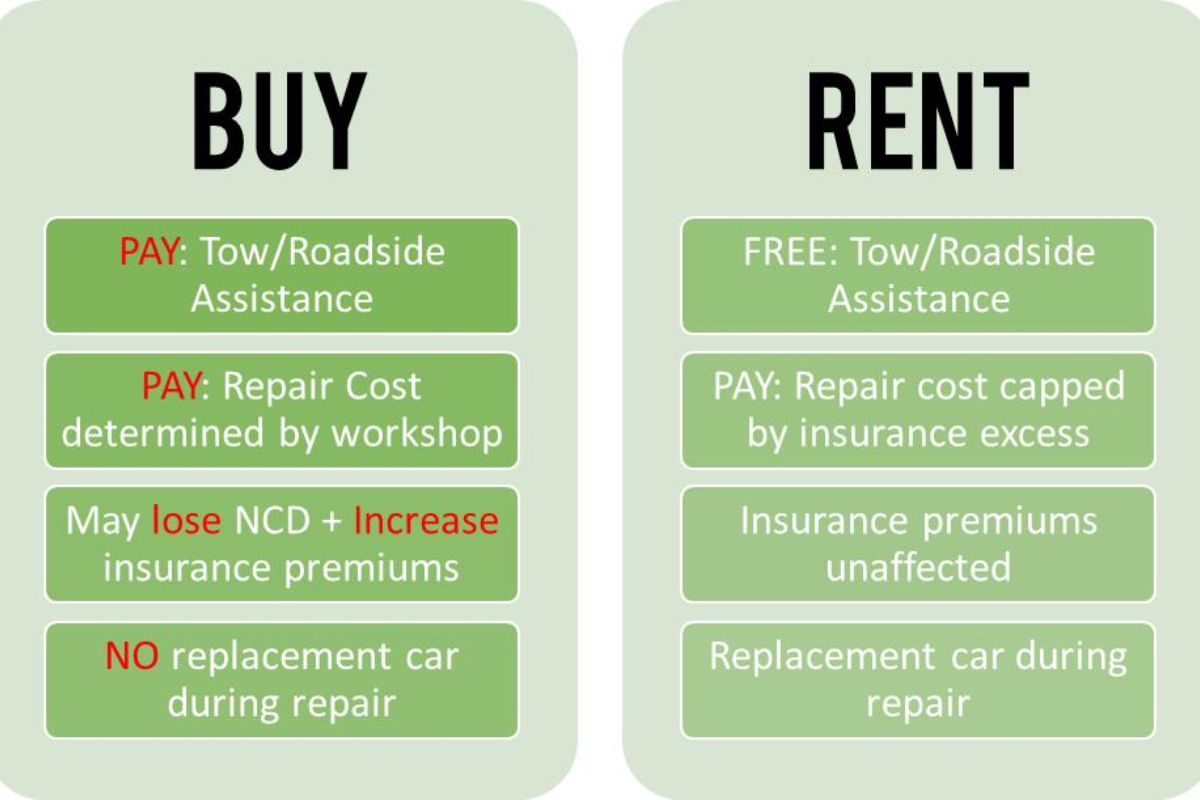
Renting vs. Buying a Car – Which Is Best?
Choosing between renting a car and buying a car depends on long-term cost, flexibility, maintenance responsibilities, and how frequently you drive. Both options have clear advantages depending on your lifestyle and financial goals. This guide breaks down each factor so you can decide which option is genuinely better for your situation.
1. Renting a Car: When It Makes the Most Sense
Renting a car is ideal when you need flexibility, no maintenance responsibilities, and low commitment. It’s becoming increasingly popular for expats, short-term residents, and people who do not want the financial burden of ownership.
Benefits of Renting
- No maintenance or repair cost: Rental companies handle servicing, breakdowns, tires, oil changes, and inspections.
- No long-term commitment: You can switch cars monthly or cancel without financial loss.
- Zero depreciation: You don’t lose money as the car ages.
- No insurance hassle: Rental companies include basic insurance. Full insurance upgrades are optional.
- Ideal for temporary stays: Perfect for visitors, expats on probation, or people uncertain about long-term plans.
Best For:
- People in a city temporarily
- Drivers who want predictable monthly costs
- Those who want to avoid long-term financial obligations
- Drivers who want to switch cars often (SUV, sedan, luxury, etc.)
When Renting Is Not Ideal
- Long-term use (3+ years) if rental rates are high
- High-mileage daily drivers (some rentals have mileage limits)
2. Buying a Car: When It Makes the Most Sense
Buying a car is better for people who want long-term stability and lower overall cost over several years. Ownership gives full control but comes with responsibilities.
Benefits of Buying
- Cheaper over long periods: If you keep a car for 5–7 years, ownership becomes significantly cheaper than monthly rental.
- Asset ownership: You can sell the car later and recover part of your investment.
- Unlimited mileage: No restrictions on daily or monthly usage.
- Customization freedom: You can modify or personalize the car.
Best For:
- Long-term residents
- Daily commuters who drive long distances
- Drivers planning to keep the same car for several years
- Anyone wanting full ownership and control
When Buying Is Not Ideal
- When you want to avoid repairs, maintenance, insurance responsibility
- When you are unsure how long you will stay in a city or country
- When depreciation is a major financial concern
3. Cost Comparison: Renting vs Buying a Car
A realistic comparison depends on multiple factors. Here’s how they differ:
Upfront Costs
- Renting: No down payment.
- Buying: Requires a down payment (10–20% or more), registration fees, insurance activation, and bank processing fees.
Monthly Costs
- Renting: Fixed monthly payment including maintenance + basic insurance. No surprise costs.
- Buying: EMI (if financed) + maintenance + annual registration + unexpected repairs.
Maintenance
- Renting: Included.
- Buying: Your responsibility (services, tires, battery, repairs).
Depreciation
- Renting: You lose nothing.
- Buying: Car loses 15–25% value yearly.
Insurance
- Renting: Already included or optional upgrades.
- Buying: You pay yearly comprehensive or third-party insurance.
Long-Term Cost
- Renting: More expensive if you rent for 3–5 years straight.
- Buying: Cheaper if you own the car for several years and maintain it well.
4. Lifestyle Impact: Which Option Fits You Better?
Choose Renting If:
- You stay for 6–24 months
- You want predictable monthly costs
- You don’t want maintenance responsibility
- You prefer changing cars often
- You want to avoid financial commitment and paperwork
Choose Buying If:
- You plan to stay long-term
- You drive daily and cover high mileage
- You want to save money over 5+ years
- You prefer ownership security
5. Renting vs. Buying: Quick Decision Guide
Renting is Best When:
- You live temporarily in a city
- You need flexibility
- You want no hidden costs
- You rotate cars often
- You want to avoid depreciation
Buying is Best When:
- You will stay long-term
- You want the lowest cost over several years
- You drive every day
- You want full ownership and control
Conclusion
There is no single “best” option for everyone.
- Renting is ideal for flexibility, short-term use, low responsibility, and predictable monthly costs.
- Buying is better for long-term savings, unlimited mileage, and complete ownership.
The right choice depends on how long you’ll use the car, your driving habits, your financial preferences, and whether you prioritize convenience or long-term savings.
FAQs
1. Is it cheaper to rent or buy a car in 2025?
Buying is cheaper in the long run if you keep the car for several years. Renting is cheaper for short-term or temporary use.
2. When is renting a car better than buying?
When you need flexibility, want no maintenance costs, or live temporarily in a city.
3. What are the hidden costs of buying a car?
Maintenance, insurance, registration, repairs, tire changes, and depreciation.
4. Is long-term car rental worth it?
Yes, if you stay for less than two years or want fixed monthly payments with no unexpected expenses.
5. Does renting a car include insurance?
Most rental companies include basic insurance. You can add full coverage as an upgrade.
6. Is buying better for daily use?
Yes—if you drive every day and plan to stay long-term, buying is more cost-effective.
7. What is the biggest cost of owning a car?
Depreciation, which can be 15–25% per year, depending on the model.
Admin • 30 Jan 2026
Dubai Speed Limits Explained: Why You Shouldn’t Overspeed
Dubai has some of the best roads in the world, but it also has one of the strictest traffic enforcement systems. Speed limits are monitored 24/7 using radars, laser cameras, and AI-enabled smart systems placed across highways, city roads, and residential areas. Exceeding the speed limit—even slightly—can result in heavy fines, black points, and in some cases, car impoundment.
This guide explains why you should never exceed speed limits in Dubai, how the enforcement works, and the full updated fine list for 2025. The goal is to help residents, expats, and tourists stay compliant and avoid costly penalties.
1. Why You Should Never Exceed Speed Limits in Dubai
1.1 Strict Radar Enforcement
Dubai uses one of the densest radar networks in the world. Cameras are placed every few kilometers on highways and even closer inside city zones.
Every time you exceed the limit:
- The radar automatically captures your plate
- The fine is issued instantly
- The record is stored in the Dubai Police system
There is no human leniency.
1.2 High Accident Risk at High Speeds
Even though Dubai has wide roads, the city has:
- Heavy traffic flow
- Fast lane changes
- Tourist drivers unfamiliar with road rules
- Sudden exits and roundabouts
Speeding reduces reaction time and increases accident severity. Dubai Police identifies speeding as a major contributor to serious road accidents every year.
1.3 Heavy Financial Penalties
Dubai speeding fines start from AED 300 and can go up to AED 3,000, with black points and car impoundment. Tourists renting cars also pay:
- The fine
- Rental company admin fees
- Potential insurance penalties
- Extra charges for late fine clearance
1.4 Black Points Affect Your Driving Record
Severe speeding violations add up to 23 black points, and reaching 24 points can lead to license suspension.
1.5 Car Impoundment in Severe Cases
Exceeding speed limits by large margins can lead to:
- Car impoundment for up to 90 days
- Release fees up to AED 50,000 (depending on the category of violation)
Tourists cannot leave the country until impound fines are cleared, especially if the accident involved damage.
1.6 Rental Insurance May Become Invalid
If you are driving a rented car and exceed speed limits dangerously, rental insurance companies may:
- Refuse coverage
- Charge for full repair expenses
- Impose additional penalty clauses
This risk makes speeding extremely costly.
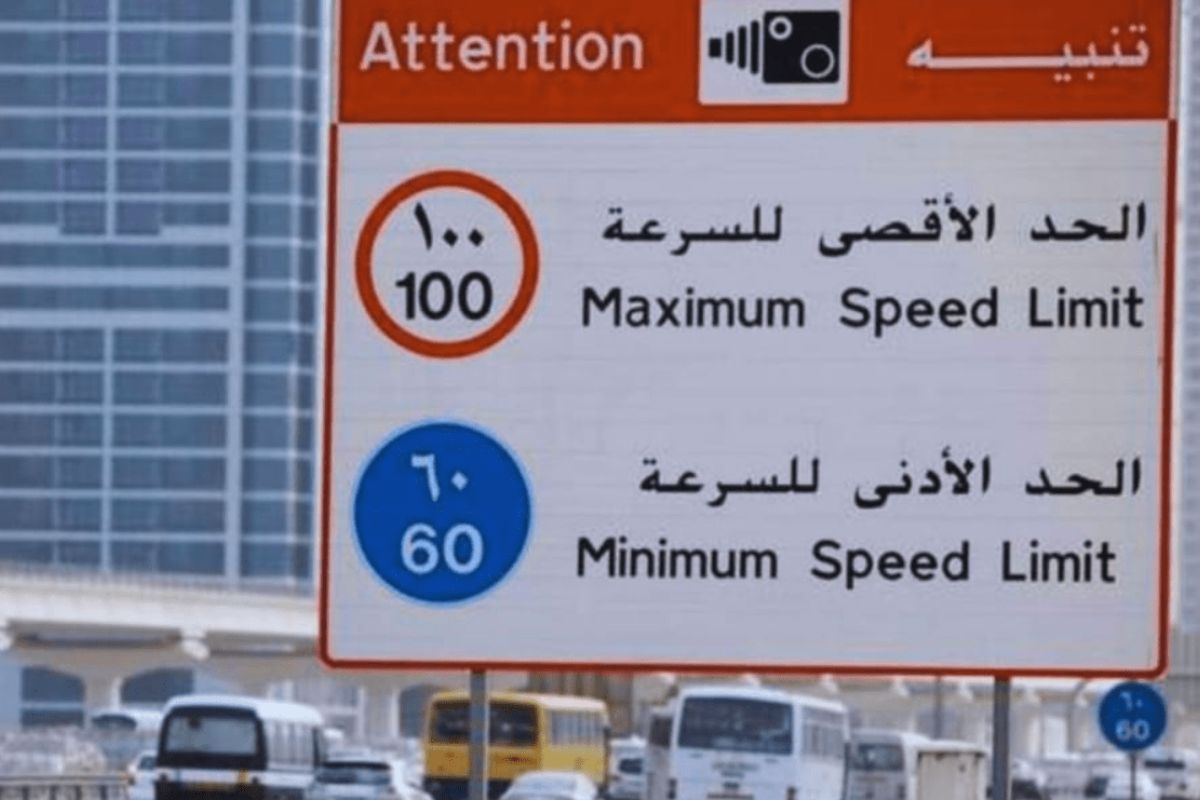
2. Dubai Speed Limits (Short Overview)
Different roads in Dubai have different speed limits. Always follow road signs.
|
Road Type |
Speed Limit |
|
Highways |
100–120 km/h |
|
Major Roads |
60–80 km/h |
|
Residential Areas |
30–40 km/h |
|
Service Roads |
40 km/h |
|
School Zones |
30 km/h |
3. Full Dubai Speeding Fine List (2025 Update)
Here are the official speeding penalties in Dubai:
3.1 Exceeding speed limit by more than 80 km/h
- Fine: AED 3,000
- Black Points: 23
- Car Impound: Yes
3.2 Exceeding speed limit by 60–80 km/h
- Fine: AED 2,000
- Black Points: 12
- Car Impound: Yes
3.3 Exceeding speed limit by 30–60 km/h
- Fine: AED 1,500
- Black Points: 6
- Car Impound: Possible depending on severity
3.4 Exceeding speed limit by less than 30 km/h
- Fine: AED 600
- Black Points: None
3.5 Driving dangerously or racing
- Fine: AED 2,000 – AED 50,000
- Black Points: Up to 23
- Car Impound: Mandatory
3.6 Not following lane discipline or overtaking dangerously
- Fine: AED 600 – AED 1,000
- Black Points: 4–6
4. How Dubai Speed Cameras Work
Dubai uses a mix of:
- Radar cameras
- ANPR (Automatic Number Plate Recognition)
- Smart AI cameras
- Mobile police lasers
- Cameras inside traffic lights
They measure:
- Your car speed
- Lane changes
- Red light crossing
- Tailgating
- Hard acceleration
Dubai cameras are automated and calibrated. There is no negotiation with officers because fines are system-generated.
Important: Salik gates do NOT issue speeding fines. They only deduct toll charges.
5. Consequences for Tourists Exceeding Speed Limits
If tourists violate the speed limits:
- Rental companies will automatically deduct fines from the card
- Additional admin fees (AED 50–100 per fine)
- Car impound fines must be paid by the renter
- Insurance may not cover reckless driving
- Travel delays if fines remain unpaid
Dubai’s system is designed to ensure traffic safety for everyone.
6. Tips to Avoid Speeding in Dubai
- Follow displayed speed signs (limits change often)
- Use cruise control on highways
- Avoid sudden lane changes
- Slow down near school zones and internal roads
- Check fines frequently on Dubai Police app
- Drive defensively and keep safe distance
Small mistakes in Dubai become expensive very quickly.
7. Conclusion
Driving over the speed limit in Dubai is not worth the risk. The combination of strict radar enforcement, heavy fines, black points, and car impoundment makes speeding a costly mistake. By following posted limits and staying aware of the rules, drivers can enjoy Dubai’s excellent roads safely and without stress.
FAQs
1. What is the speed tolerance in Dubai?
Dubai previously allowed a 20 km/h tolerance, but tolerance depends on specific roads. Many roads now have zero tolerance. Always follow signs.
2. Do Salik gates give speeding fines?
No. Salik gates are toll only. They do not issue speeding fines.
3. What happens if I speed in a rental car in Dubai?
The rental company will charge:
- The fine
- Admin fees
- Possibly extra insurance or damage penalties
4. How many black points do you get for speeding?
Depending on how much you exceed the limit, you can get 0 to 23 black points.
5. How long do speeding fines take to appear?
Usually within 24–48 hours, but some fines (like major violations) appear immediately.
6. Are speeding fines higher in school zones?
Speeding in school zones is treated more strictly. Fines and black points can double in dangerous cases.
7. Can tourists get their rental car impounded?
Yes. If the violation is severe (e.g., +80 km/h), the car can be impounded, and the tourist must pay the release fee.
Admin • 30 Jan 2026
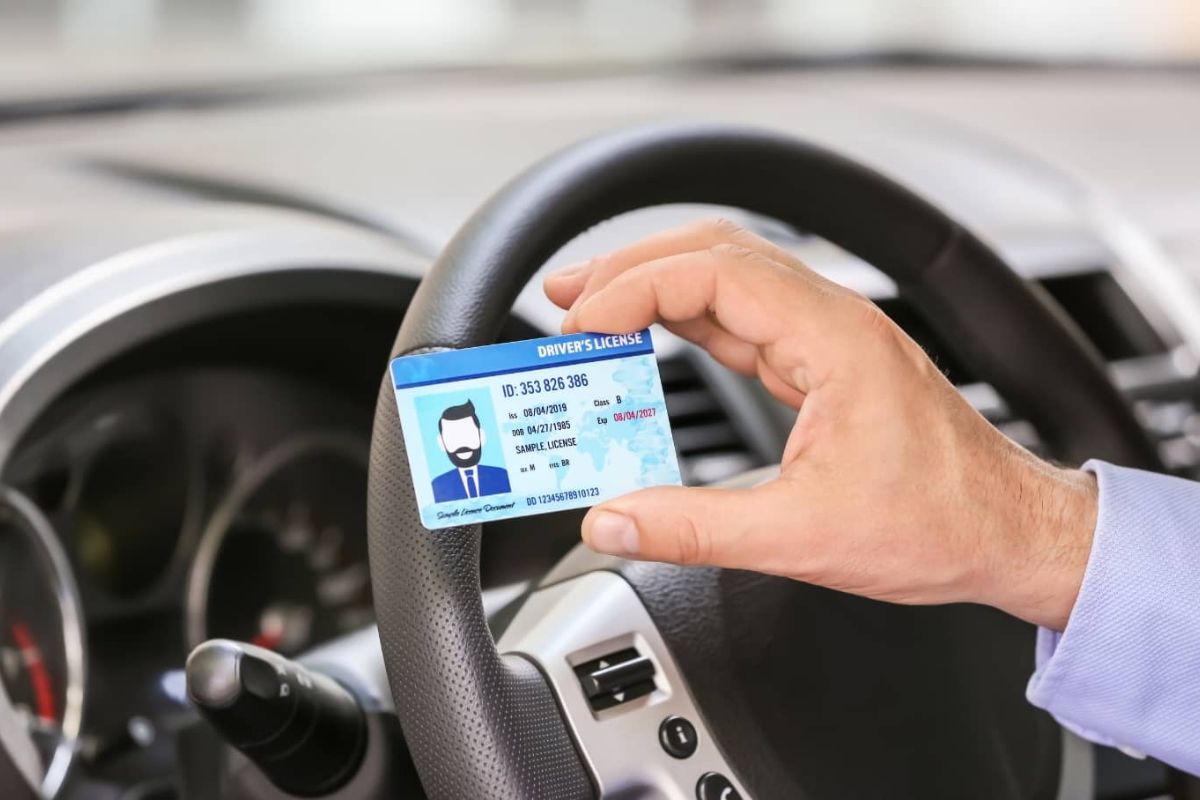
Can I Drive in Dubai with My Home Country License? (Full List)
Dubai is one of the most tourist-friendly cities in the world, but driving here comes with specific rules and regulations. Many visitors wonder: “Can I drive in Dubai with my home country license?” The answer depends on your country of origin, whether your license is in English or Arabic, and how long you plan to stay. Understanding these rules is crucial for renting a car, exploring the city freely, and avoiding fines or legal complications.
Dubai’s roads are well-maintained and well-signposted, but automated traffic enforcement and strict regulations mean tourists must comply fully with local laws. Tourists can legally drive in Dubai with certain licenses directly, while others need an International Driving Permit (IDP) alongside their home license.
1. Accepted Home Country Licenses in Dubai
Dubai allows visitors from certain countries to drive directly with their home country license for short stays (typically up to six months). These include:
- GCC countries: Saudi Arabia, UAE, Qatar, Oman, Bahrain, Kuwait
- North America & Europe: United States, Canada, United Kingdom, Germany, France, Italy, Spain, Netherlands, Switzerland, Austria, Belgium, Sweden, Norway, Denmark
- Asia & Oceania: Australia, New Zealand, Singapore, Japan, South Korea, Malaysia, Thailand
Notes:
- Licenses must be valid and not expired.
- The license should preferably be in English or Arabic. If not, a certified translation is required.
- Tourists can generally drive for up to six months with their home license. Beyond that, a UAE driving license is needed.
2. Countries Requiring an International Driving Permit (IDP)
If your country is not on the accepted list, you must carry an International Driving Permit (IDP) in addition to your home license. The IDP serves as an official translation recognized in Dubai and the UAE.
IDP Guidelines for Tourists:
- Must be obtained before arriving in Dubai, UAE authorities do not issue IDPs.
- Validity is generally one year from the issue date.
- Always carry the original home license along with the IDP.
- Required for tourists from most African countries, some Asian countries, and select European nations not listed in the accepted licenses.
3. Tourist Driving Rules and Restrictions
Even with a valid license or IDP, tourists must follow Dubai’s driving regulations:
- Minimum Age: 21 for standard rental cars, 25 for luxury or sports cars.
- License Validity: Usually valid for six months of stay; after this period, a UAE driving license is required.
- Vehicle Types: Standard rental cars, SUVs, and economy cars are allowed. Driving heavy vehicles or commercial vehicles is not permitted for tourists.
- Documentation: Passport, visa, home country license, and IDP (if required) must always be carried while driving.
4. Renting a Car in Dubai with a Foreign License
Tourists planning to rent a car must meet the following requirements:
- Present a valid home country license; IDP if required.
- Age must meet rental company requirements (usually 21+).
- International credit card for payment and security deposit.
- Rental companies provide insurance; however, coverage may vary depending on your license and IDP.
Key Points:
- Rental cars include Salik toll charges automatically.
- Any traffic fines are billed to the tourist through the rental company.
- Some companies may require a license translation if not in English or Arabic.
5. Tips for Tourists Driving in Dubai
- Always carry your passport, visa, and driving license while driving.
- Verify whether your home license is accepted or if an IDP is needed.
- For licenses not in English or Arabic, obtain a certified translation.
- Check your insurance coverage before driving.
- Observe traffic rules, speed limits, and parking regulations to avoid fines.
- Avoid renting a car for periods longer than your license validity.
Driving in Dubai as a tourist is straightforward if you comply with these rules. Planning ahead ensures a smooth experience while exploring the city or surrounding attractions like Hatta, Jebel Ali, and Dubai Desert Conservation Reserve.
FAQs
Q1: Can I drive in Dubai with my US license?
Yes, tourists from the United States can drive in Dubai with their US license for up to six months. Carrying an IDP is optional but recommended for added clarity.
Q2: Do I need an International Driving Permit to drive in Dubai?
Only if your home country license is not on the accepted list. The IDP translates your license and is valid for up to one year.
Q3: How long can tourists drive in Dubai with a foreign license?
Typically, up to six months from the date of entry. After this, a UAE driving license is required.
Q4: Which countries’ licenses are recognized directly in Dubai?
GCC countries, North America, most EU countries, Australia, New Zealand, Singapore, Japan, South Korea, and Thailand. Licenses must be valid and preferably in English or Arabic.
Q5: Can I rent a car in Dubai with a license not in English or Arabic?
Yes, but a certified translation or an IDP is required. Rental companies may ask for additional verification.
Q6: What happens if my license expires while I am in Dubai?
You cannot drive legally. You must either obtain a UAE driving license (if eligible) or refrain from driving.
Admin • 30 Jan 2026
Renting a Car in Dubai vs Uber: What’s Cheaper?
Dubai offers a wide range of transportation options for tourists, but the two most popular choices remain car rental and ride-hailing services like Uber. Deciding which is cheaper depends on several factors, including the length of stay, the number of trips per day, fuel costs, tolls, parking, and convenience. For short trips, Uber might seem more cost-effective, but for longer stays or frequent travel, renting a car can save both time and money. This guide breaks down the real costs for 2026 and provides a clear comparison for tourists.
1. Car Rental Costs in Dubai
Renting a car in Dubai is straightforward and accessible for tourists with a valid international driving license. Rental prices vary depending on the car category, rental duration, and season. On average, economy cars start around AED 120–150 per day, mid-sized sedans are AED 180–250 per day, and premium or luxury vehicles can range from AED 500–1,200 per day. Weekly and monthly rates often offer discounts, with long-term rentals sometimes reducing the daily rate by 20–30%.
Additional costs to consider include insurance, Salik tolls, fuel, and parking. Insurance is often included in the rental package but can increase if you opt for full coverage or lower deductibles. Salik toll charges are AED 4 per gate crossing, automatically deducted by most rental companies. Fuel is another factor; petrol prices in Dubai in 2025 are around AED 2.8–3.2 per liter for standard petrol, depending on the station. Parking costs vary by zone, with city center areas charging up to AED 8–10 per hour, while residential or suburban areas are generally cheaper.
Renting a car provides freedom and flexibility, allowing tourists to explore remote attractions like Hatta, Jebel Ali, or desert safari locations at any time. However, it also comes with responsibilities, including traffic fines, fuel refills, and vehicle care.
2. Uber Costs in Dubai
Uber in Dubai has grown significantly as an alternative to taxis, offering convenient app-based booking, multiple vehicle options, and cashless payments. Uber fares consist of a base fare, a per-kilometer rate, and a per-minute rate, with occasional surge pricing during peak hours or special events. For a typical tourist trip of 10–15 kilometers, the fare can range from AED 30–60 for economy rides, while premium services such as UberXL or Black can cost AED 80–150 for the same distance.
For longer stays or frequent travel, Uber costs accumulate quickly. Daily commuting, sightseeing trips, and airport transfers can result in daily spending of AED 150–300, depending on travel distance and traffic conditions. Peak hours in Dubai, especially during weekends or major events, trigger surge pricing that can double the usual fare, making Uber less predictable in total cost.
Uber is ideal for short visits or low-frequency trips because it eliminates concerns about parking, fuel, Salik tolls, or traffic fines. The app also provides instant fare estimates and a cashless payment system, making it convenient for tourists unfamiliar with the city.
3. Cost Comparison: When to Choose Rental vs Uber
Choosing between a rental car and Uber primarily depends on trip frequency and stay duration. For tourists staying only a few days with minimal travel, Uber is usually cheaper and hassle-free. It removes the need to navigate Dubai traffic, find parking, and monitor fuel levels. However, if your plans include multiple daily trips, airport transfers, or exploring locations outside central Dubai, renting a car becomes more economical.
For example, a three-day stay with two trips per day across popular destinations may cost around AED 200–250 with Uber per day. Renting an economy car for the same period, including insurance and fuel, may total AED 150–180 per day. Over a week or longer, the savings of renting increase significantly, and the flexibility of having a vehicle at all times becomes a major advantage.
Other factors influencing this choice include the type of travel experience desired. Renting allows tourists to explore off-the-beaten-path destinations like the desert or Jebel Ali at their own pace. Uber is best suited for visitors staying in central Dubai, traveling mostly between malls, hotels, and tourist attractions within the city.
4. Other Considerations
Parking: Dubai offers a mix of paid and free parking. While city center areas often have hourly charges, many malls provide free parking for the first few hours. Tourists renting cars need to account for these costs, whereas Uber passengers avoid parking fees entirely.
Salik Toll Charges: Toll gates, such as Sheikh Zayed Road and Al Garhoud Bridge, automatically charge AED 4 per crossing. Rental cars include this fee in billing, while Uber incorporates it into fare calculations.
Traffic Fines: Traffic fines are the responsibility of rental car users. Uber passengers are not liable. For tourists unfamiliar with local traffic laws, this can be a significant consideration.
Convenience and Flexibility: Renting a car allows for spontaneous trips and flexibility in itineraries. Uber requires app availability and may face longer wait times during peak hours.
Fuel: For rental cars, fuel costs are predictable and can be minimized by choosing fuel-efficient vehicles. Uber fares include fuel indirectly in the price but may increase during long trips or traffic congestion.
5. Conclusion
For tourists visiting Dubai in 2025, the choice between renting a car and using Uber depends largely on duration, travel frequency, and itinerary.
- Short stays or minimal trips: Uber is generally cheaper and more convenient, removing the hassle of parking, fuel, and traffic regulations.
- Longer stays or frequent travel: Renting a car is more cost-effective, providing flexibility, lower daily expenses for multiple trips, and independence from surge pricing.
Understanding the real costs—rental rates, insurance, fuel, Salik, parking, and Uber fares—helps tourists make an informed choice and optimize their budget while exploring Dubai efficiently.
Admin • 29 Jan 2026
Driving in Dubai for Tourists: Fines, Parking, Salik & Fuel Guide
Driving in Dubai as a tourist is straightforward if you understand the main rules: permitted license types, parking regulations, Salik toll deductions, fuel categories, and traffic fine procedures. Dubai’s road system is built for smooth traffic flow, but it also uses automated enforcement, smart toll gates, and digital parking systems. For visitors renting a car, every movement—speed, lane use, toll crossing, or parking—gets recorded and billed automatically through the rental company. Knowing these charges beforehand allows you to avoid unexpected deductions and follow the regulations confidently throughout your stay.
Driving standards are strict because the road network prioritizes safety and speed control. Highways, city routes, and tourist zones operate with layered enforcement: speed radars, Salik toll arches, bus lane cameras, red-light AI, and RTA parking sensors. Tourists do not need local bureaucracy to drive legally, but they must use accepted documents and comply with all electronic enforcement systems during their rental period.
1. License Rules for Tourists Driving in Dubai
- Visitors can drive with a valid home country license only if their country is on the UAE’s approved list.
- If not on that list, an International Driving Permit (IDP) is required.
- GCC, UK, EU, US, Canada, Australia, Singapore, and selected Asian/European licenses are directly accepted.
- Passport + visa entry stamp must match the active rental period.
Important Notes
- Only tourists with valid visit visas can use international or foreign licenses.
- Once a residency permit is issued, a UAE driving license becomes mandatory.
2. Traffic Fines for Tourists: How Charges Apply
Dubai uses radar enforcement across all main roads. Violations are registered instantly and transferred to the rental platform.
Common Fine Types
|
Violation |
Fine (AED) |
|
Speeding (mild to high excess) |
AED 300–3,000 |
|
Using phone while driving |
AED 800 |
|
Not wearing seatbelt |
AED 400 |
|
Tailgating |
AED 400 |
|
Red light violation |
AED 1,000 + vehicle impound |
|
Illegal parking |
AED 150–1,000 |
|
Blocking traffic |
AED 500 |
|
Wrong lane overtaking |
AED 600 |
|
Bus-only lane usage |
AED 600 |
|
Reckless driving |
AED 2,000 + black points |
How tourists pay
- Rental company receives digital fines from RTA
- Charges are added to the final rental invoice at return
- Some companies add admin processing fee (AED 20–50 per fine)
3. Salik Toll System for Tourists
Salik is Dubai’s automatic toll system with no stopping or cash booths. Every toll gate crossing deducts a fee electronically.
Key Toll Details
|
Item |
Information |
|
Cost per gate crossing |
AED 4 |
|
Payment method |
Auto-deducted via rental company |
|
Toll type |
RFID tag, no stopping |
|
Tourist requirement |
No separate registration needed |
Salik Gate Zones (Common Tourist Routes)
- Sheikh Zayed Road / Trade Center
- Al Garhoud Bridge
- Al Maktoum Bridge (peak timing toll)
- Al Barsha
- Jebel Ali
- Airport Tunnel
At Return
- All Salik usage is summarized
- Added to billing along with fuel & fines if applicable
4. Parking System in Dubai (RTA Zones & Payment)
Parking is categorized into paid zones managed by the RTA (Roads & Transport Authority).
Parking Zones
|
Zone |
Area Type |
Pricing |
|
A |
Premium, Downtown, Business Bay |
Higher tariff |
|
B |
Standard commercial areas |
Medium tariff |
|
C & D |
Outer city, residential |
Low tariff |
|
E |
Multi-public parking structures |
Variable |
|
F |
TECOM, Barsha Heights zones |
Standard |
Operating Hours
- Paid: Monday–Saturday
- Free: Sunday + Public Holidays
- Peak pricing applies in Downtown & Marina districts
How Tourists Pay
- RTA Parking App (recommended)
- SMS parking (requires UAE SIM)
- Parking meter machines
Mall & Airport Parking
|
Location |
Notes |
|
Dubai Mall |
Free for first hours, charges after peak durations |
|
Mall of Emirates |
Tiered hourly system |
|
DXB Airport |
Fixed daily and hourly tariff |
5. Fuel Guide for Tourists
Dubai petrol grades differ by vehicle requirement. Rental cars specify required fuel on contract or fuel cap.
Fuel Types
|
Type |
Octane |
Usage |
|
E-Plus |
91 |
Small sedans |
|
Special |
95 |
Standard engines |
|
Super |
98 |
Premium & SUV |
|
Diesel |
Commercial vehicles only |
Fuel Cost Range (Approx. Monthly Fluctuation)
- AED 2.7–3.3 per litre depending on grade and month
Stations
- ENOC
- EPPCO
- ADNOC (widespread on highways)
6. Rules Tourists Must Follow
- Speed limits change frequently between zones; watch live signs.
- Zero tolerance for DUI; strict penalties apply.
- School zones and pedestrian crossings have automated cameras.
- Bus lanes are strictly prohibited for private cars.
7. How Charges Are Settled for Rental Cars
|
Charge |
Source |
Method |
|
Salik tolls |
Gate crossings |
Auto-added |
|
Parking |
App/meter |
Manual payment |
|
Fuel |
Return level check |
Refill or charge |
|
Fines |
RTA database |
Auto-billed at return |
Conclusion
Driving in Dubai as a tourist is efficient when regulations are understood. Parking zones function digitally, Salik toll crossings require no manual action, and fines appear instantly through automated enforcement. Fuel availability is widespread, with clear category labeling and regulated pricing. For visitors renting a vehicle, all driving costs—tolls, fines, insurance fees, and fuel consumption—are transparent and systematically recorded.
Admin • 29 Jan 2026
Supercar Rentals in Dubai: Ownership vs Rental Cost Comparison
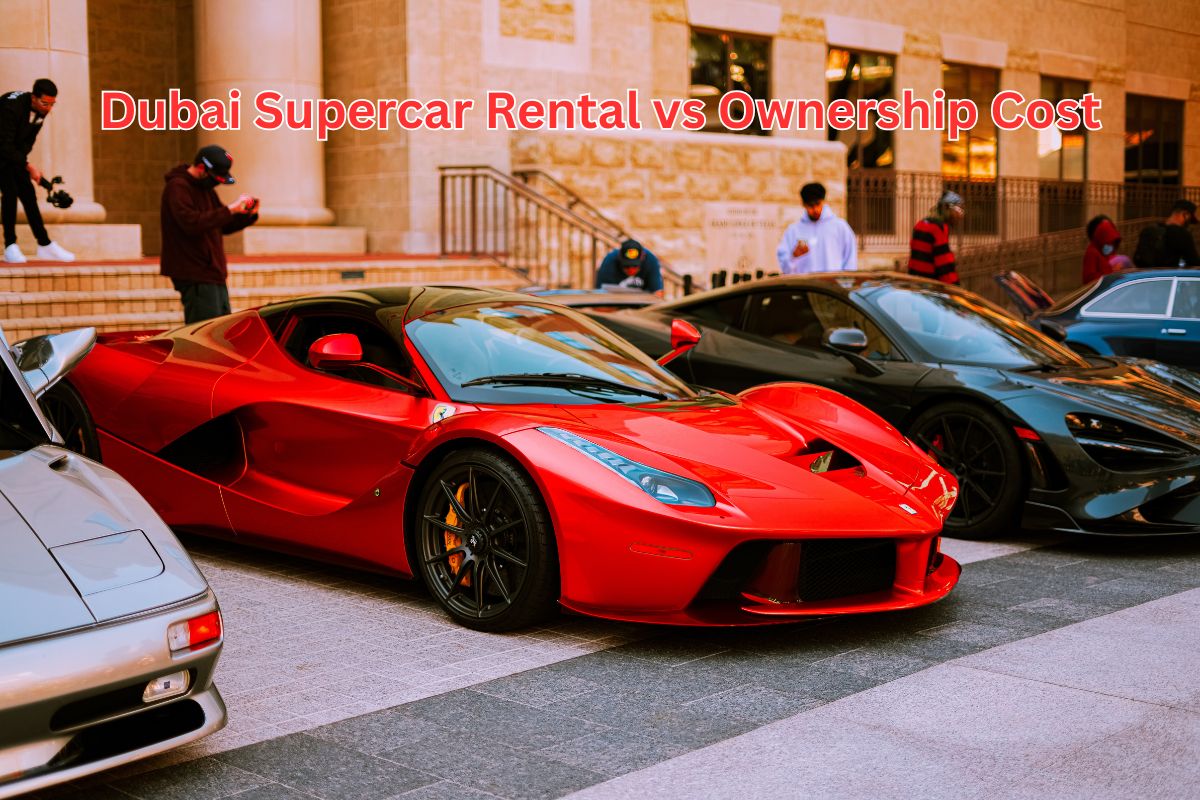
Dubai is globally recognized as a city where supercars are not just symbols of luxury—they are part of the transportation landscape. Whether on Sheikh Zayed Road or Downtown Boulevard, high-performance vehicles like Ferrari, Lamborghini, McLaren, and Rolls-Royce are seen daily, driven both by residents and international visitors. This popularity creates a major question for anyone tempted by the experience: is it smarter to rent a supercar in Dubai, or does ownership deliver better long-term value? When real numbers are compared—depreciation, insurance, maintenance, legal registration, fuel usage, and car rental flexibility—renting emerges as the option with the higher financial advantage in most scenarios.
Supercar ownership represents a fixed holding cost even when the vehicle is not in use, while rental provides access to the same luxury without long-term liability. The reason this matters is simple: Dubai’s high-performance vehicles come with equally high annual operational expenses, and most of the cost is not in buying, but in keeping the vehicle functional, insured, legally registered, and mechanically preserved. This makes the rental market a core solution for short-term users, tourists, content creators, and anyone who wants the experience without the ongoing burden.
1. Price Comparison: Buying vs Renting a Supercar in Dubai
Rental Cost Range (Model-Based)
|
Model |
Daily Rental |
Weekly Rental |
Monthly Rental |
|
Lamborghini Huracan |
AED 2,200–3,000 |
AED 14,000–18,000 |
AED 38,000–45,000 |
|
Ferrari F8 / 488 |
AED 2,400–3,200 |
AED 15,000–19,000 |
AED 40,000–47,000 |
|
McLaren 720S |
AED 3,000–4,200 |
AED 21,000–26,000 |
AED 55,000–65,000 |
|
Porsche 911 Turbo |
AED 1,600–2,200 |
AED 9,500–14,000 |
AED 28,000–35,000 |
Ownership Cost Range (Annual)
|
Expense Category |
Average Annual Cost |
|
Depreciation |
AED 70,000–180,000 |
|
Comprehensive Insurance |
AED 18,000–35,000 |
|
RTA Registration + Testing |
AED 5,500–9,000 |
|
Maintenance & Servicing |
AED 30,000–75,000 |
|
Tyre Replacement (High-Performance) |
AED 14,000–22,000 |
|
Ceramic Brakes / Suspension |
AED 22,000–45,000 |
|
Battery + Electronics |
AED 10,000–18,000 |
Summary:
- Minimum annual ownership cost: AED 160,000–250,000
- This excludes fuel, upgrades, speeding fines, detailing, resale loss, and unexpected failure parts.
2. Depreciation: The Most Significant Loss for Owners
Depreciation is the primary financial disadvantage of owning a supercar in Dubai. High-performance vehicles experience immediate market value drops due to constant new releases, luxury tax shifts, and technological updates.
|
Time Period |
Average Depreciation |
|
6 months |
10–18% |
|
1 year |
20–30% |
|
3 years |
45–60% |
|
5 years |
up to 75% |
Brands like Ferrari and Porsche retain value better, while McLaren, Maserati, and Bentley commonly face steeper declines due to more expensive mechanical upkeep.
3. Maintenance Reality: High-Performance Means High-Cost
Annual Maintenance Comparison
|
Brand |
Yearly Maintenance Avg |
Notes |
|
Ferrari |
AED 35,000–50,000 |
clutch, fluids, ceramic brakes |
|
Lamborghini |
AED 40,000–60,000 |
tyre wear, brake alignment |
|
McLaren |
AED 50,000–75,000 |
turbo cooling, carbon chassis |
|
Porsche |
AED 18,000–30,000 |
lowest maintenance in class |
Supercar components are precision-built, meaning:
- tyre sets last 12–18 months due to heat + torque
- ceramic brake kits run at AED 18,000–40,000
- branded servicing is mandatory (no generic workshops)
By contrast, renters bear zero upkeep cost.
4. Insurance Comparison: Rental Advantage
Ownership
- Premiums increase after minor claims
- Full coverage mandatory
- Annual renewal required
- Average: AED 18,000–35,000
Rental
- Covered under fleet insurance
- No annual obligation
- Temporary damage deposit only
Rental providers absorb the majority risk rather than the driver.
5. Resale Value & Market Positioning
Dubai’s resale marketplace is highly price-sensitive. When newer models launch, previous variants drop sharply. Owners rarely recover more than 40–60% of initial purchase value after three years. Renters completely bypass resale market volatility.
6. Who Should Buy vs Who Should Rent
Renting Is Ideal For
- Visitors and tourists (short stay)
- Influencers and content creators
- Occasional supercar weekend users
- Business guests and luxury events
- Weddings, launch shoots, media filming
Buying Only Makes Sense If
- You use the car 200+ days per year
- You accept long-term capital loss
- You prefer asset ownership regardless of cost
- You understand maintenance cycles
7. Final Conclusion: Which Wins Financially?
When direct numbers are evaluated:
|
Category |
Financial Outcome |
|
Depreciation |
Owners lose the most |
|
Insurance |
Owners pay annually, renters covered |
|
Maintenance |
Owners pay full system cost |
|
Flexibility |
Renters choose model anytime |
|
Cash Flow |
Rental provides lower liability |
For 90% of drivers, renting a supercar in Dubai delivers higher utility value, stronger financial efficiency, and zero long-term burden. Ownership secures personal identity and usage freedom, but at a significantly higher cost in an environment where high-performance vehicles depreciate rapidly and require premium servicing.
Verdict:
- Rent if you use the car occasionally (cost-efficient)
- Buy only if long-term ownership justifies recurring expense

Admin • 29 Jan 2026
Can I Pick Up a Rental Car in Dubai and Drop It in Abu Dhabi?
For many tourists and business travelers in the UAE, the idea of picking up a rental car in Dubai and dropping it off in Abu Dhabi is highly convenient. Whether traveling for meetings, sightseeing, or day trips, a one-way rental allows you to avoid the hassle of returning to the original city and saves time. However, this process is not as straightforward as a standard rental, and understanding the rules, fees, and practical considerations is essential for a smooth trip.
One-way rentals between Dubai and Abu Dhabi are generally permitted by most major car rental companies in the UAE, but it must be explicitly booked and confirmed in advance. Not all rental providers automatically allow inter-emirate drop-offs, so specifying your pick-up and drop-off cities during reservation is critical. Additionally, the vehicle must be driven according to the company’s policies, and all local driving laws must be adhered to throughout the journey. Tourists must also carry a valid international driving license recognized in the UAE, and their passport or visa details should match the rental agreement.
One-Way Car Rental Rules in the UAE
The rules for inter-emirate rentals are designed to ensure accountability and coverage for both the rental company and the driver. Typically, the rental contract must state that the drop-off location is in a different emirate. The type of vehicle allowed for one-way rentals may vary; standard sedans and SUVs are generally accepted, while high-end or exotic cars may require additional permissions or restrictions. Rental companies may also impose a minimum rental duration for one-way trips, usually one to three days, to account for logistics and administrative costs.
Tourists and visitors should note that traffic regulations in Abu Dhabi may slightly differ from Dubai, especially regarding speed limits, lane usage, and toll gates. All inter-emirate trips must comply with UAE traffic laws, and any fines incurred during the journey are billed through the rental company, even if the vehicle is dropped off in a different city.
Drop-Off Fees
One of the main considerations when renting a car in Dubai and dropping it in Abu Dhabi is the drop-off fee. This is an extra charge applied by rental companies to cover the logistics of returning the vehicle to its original location or fleet redistribution. Fees typically range from AED 150 to AED 600, depending on the car category, rental duration, and the company. Some premium or long-term rental packages may waive the fee as part of special offers, so checking the terms at the time of booking is recommended.
Understanding these charges is crucial because they can significantly impact the overall cost of a one-way rental. Comparing companies and reading the rental agreement carefully ensures there are no surprises when returning the vehicle in Abu Dhabi.
Insurance and Liability
Insurance coverage for one-way rentals is generally valid across emirates, but it is important to confirm this with the rental company. Standard insurance policies cover damage and theft, but additional coverage may be recommended for inter-emirate travel, particularly for tourists unfamiliar with local roads. Traffic fines incurred during the trip, including speeding or parking violations, are billed to the renter, and the rental company will typically deduct these charges from the credit card used during booking.
Ensuring that your insurance coverage is valid for both Dubai and Abu Dhabi protects against unexpected liabilities and provides peace of mind during the journey.
Fuel and Toll Considerations
Fuel and tolls are practical aspects of any inter-emirate trip. Most rental companies operate on a full-to-full fuel policy, meaning the car should be returned with the same fuel level as at pick-up. Fuel costs in 2025 in the UAE range from AED 2.8 to AED 3.2 per liter, depending on the type of petrol and station. Choosing a fuel-efficient vehicle can reduce overall expenses for longer trips.
Salik tolls, which are automatic electronic toll gates, are primarily located in Dubai. While driving to Abu Dhabi, travelers may encounter tolls on certain highways, which are usually included in the rental billing if using company-managed Salik accounts. Confirming whether toll charges are prepaid or billed separately ensures transparency and prevents unexpected costs at drop-off.
Distance and Travel Time
The distance between Dubai and Abu Dhabi is approximately 140 kilometers via the E11 highway, the main arterial route connecting the two cities. Under normal traffic conditions, the journey typically takes 1.5 to 2 hours. Tourists should plan their trips considering peak traffic periods, such as morning and evening rush hours, or weekends, when traffic may be heavier. Taking scheduled breaks during the drive can improve safety, particularly for visitors unfamiliar with local driving conditions.
Booking Tips for Tourists
Booking a one-way rental requires attention to detail to ensure a smooth experience. Always confirm one-way availability with the rental company before finalizing your reservation. Check for hidden drop-off fees and clarify whether the rental includes insurance across both emirates. Comparing rates between different companies for daily, weekly, or long-term rentals can yield better pricing. Additionally, ensure that the rental provider has roadside assistance coverage in Abu Dhabi to address any unexpected mechanical issues.
Conclusion
Yes, you can pick up a rental car in Dubai and drop it in Abu Dhabi, and it is a popular option for tourists and business travelers seeking flexibility. While convenient, one-way rentals include considerations such as drop-off fees, fuel, tolls, insurance, and compliance with inter-emirate traffic rules. By planning ahead, confirming policies with the rental company, and understanding the potential costs, tourists can enjoy a hassle-free and efficient journey between the two emirates. This approach provides the freedom to explore at your own pace without the need to return to the original city, making inter-emirate travel in the UAE seamless and practical.

Admin • 16 Dec 2025
test by emam
test by emam
Admin • 15 Dec 2025
This is a test
This is a test
Admin • 01 Dec 2025
Hidden Car Rental Charges in Dubai and How to Avoid Them
Renting a car in Dubai means getting freedom of movement, to travel wherever you want in the UAE. Many people choose car rentals in Dubai because it's really convenient: you can sit down and drive, without worrying about the technical condition of the car or its resale in the future.
However, there is a catch: occasionally, this independence may come at a higher cost than anticipated. The rental experience might be ruined by little elements in the contract and hidden fees. It is helpful to be aware of the terms beforehand in order to avoid this: what is covered by the insurance, what fuel policy is in place, and what extra costs could be incurred.
A little more attention at the start - and the trip will remain exactly as you planned it: comfortable, predictable and without unnecessary expenses.
Hidden Payments and Additional Fees
One of the main sources of unexpected costs are additional fees. This may be a fee for returning the car to another location, a late return fee, or a fine for exceeding the mileage limit. For example, at hourly car rental dubai, late returns can cost a significant amount, especially during peak times.
It is also worth considering the cost of additional services: a child safety seat, a GPS navigator, and a second driver. These options are often added to the rental price separately, which increases the total cost even when choosing cheap car rental dubai or budget car rental dubai.
Insurance and Terms of The Contract
The rental insurance might not always cover every situation. Prior to signing the contract, it is crucial to ascertain whether the usual insurance covers damage to the tires, windshield, or bodywork. According to certain tariffs, these components need for an extra insurance plan.
Reading the rental agreement is a mandatory step, whether it is monthly car rental or long term car rental.
Fuel Policy and Mileage
Many companies follow a “full tank–full tank” policy, requiring you to return the car with the same fuel level. If not, you can be charged fees that might be well over the market price for fuel. Some rentals also limit daily mileage to 200–300 km, so this is vital to check when choosing a monthly vehicle rental in Dubai.
Car Refund and Deposit
When renting a car in Dubai, including airport car rental dubai or car rental dubai marina, a deposit is often required, which is blocked on the client's card. Its unblocking period can range from several days to several weeks. To avoid problems, you should clarify the terms of the deposit refund and carefully record the condition of the car upon receipt and return.
The fee for returning the car at another location or at another time is also worth considering. In some cases, this service is paid for separately and can significantly increase the total rental price, even when choosing the best rent a car dubai.
Car Maintenance and Unforeseen Expenses
Some tariffs may include charges for tire maintenance, technical assistance on the road, or evacuation in case of a breakdown. If these services are not included in the package, they will have to be paid for separately.
Check in advance that the rental includes 24/7 support and maintenance. Without it, unforeseen issues could lead to added expenses, particularly for car lease Dubai monthly or long term car rental Dubai arrangements.
Simple Rules for a Cost-Efficient Car Hire
Carefully read the lease agreement and clarify all unclear points.
Immediately check the fuel policy and mileage conditions
Specify whether insurance is included for damage to tires, glass, and bodywork.
Discard unnecessary additional options
Record the condition of the car upon receipt and return
Plan your route to avoid toll roads and fines.
Conclusion
If you’re renting a car in Dubai, the best way to dodge those sneaky hidden fees is to do a bit of homework upfront. Take a careful look at the contract, double-check what the fuel policy actually says, make sure the insurance covers what you think it does, and know exactly how refunds work. It’s a little effort, but it can make the whole experience a lot smoother - and cheaper. Whether you go for a cheap monthly car rental dubai, commit to a 3 month car rental dubai, or pick from the best rental cars companies in dubai, keeping an eye on the fine print can save you from some frustrating surprises later on.

Admin • 28 Nov 2025
Buyer's guides
How to choose between different types of vehicles (e.g., SUVs vs. sedans), or what to look for when buying a used car.
.jfif)
Admin • 28 Nov 2025
Maintenance and repair
"How-to" guides for common tasks (e.g., checking tire pressure, changing a wiper blade), explanations of dashboard warning lights, or seasonal maintenance tips.
.jfif)
Admin • 28 Nov 2025
Car reviews
In-depth reviews of popular or new models, comparing their features, fuel efficiency, and performance.

Admin • 27 Nov 2025
Car history
Articles on the history of certain models or the evolution of the automobile.

